


 CALL US NOW
 EMAIL US NOW


You’re sitting in the back of an Uber on your way to a dinner in Seaport, or maybe you’re heading home in a Lyft after a long shift at the hospital. You’re not thinking about insurance policies or liability limits: you’re just thinking about getting to your destination. Then, it happens. A sudden jolt, the sound of crunching metal, and the realization that you’ve been hurt. Dealing with a rideshare accident Massachusetts can feel like a total maze because, unlike a typical car crash, there are multiple layers of insurance involved.
When you’re involved in a crash involving an Uber or Lyft, the first question is usually: “Who is going to pay for my medical bills?” The answer isn’t always simple. It depends on what the driver was doing the exact second the impact occurred. At Joel H. Schwartz, P.C., we’ve seen how confusing this can be for victims. We’ve recovered over $500 million for our clients because we know how to navigate these complex insurance webs. You don’t have to figure this out alone.
Understanding a Rideshare Accident in Massachusetts
Rideshare companies like Uber and Lyft don’t actually own the cars their drivers use. They consider their drivers “independent contractors,” not employees. This distinction is how they tried to avoid responsibility for years. However, Massachusetts has strict regulations to protect you. According to official Mass.gov guidelines, rideshare companies (formally known as Transportation Network Companies or TNCs) must carry specific levels of insurance.
The amount of money available to cover your injuries changes based on the “period” of the ride. This is where it gets tricky. If the driver was just driving around with the app off, that’s one thing. If they were waiting for a passenger, that’s another. And if you were actually in the car, the coverage jumps significantly.
The Three Phases of Insurance Coverage
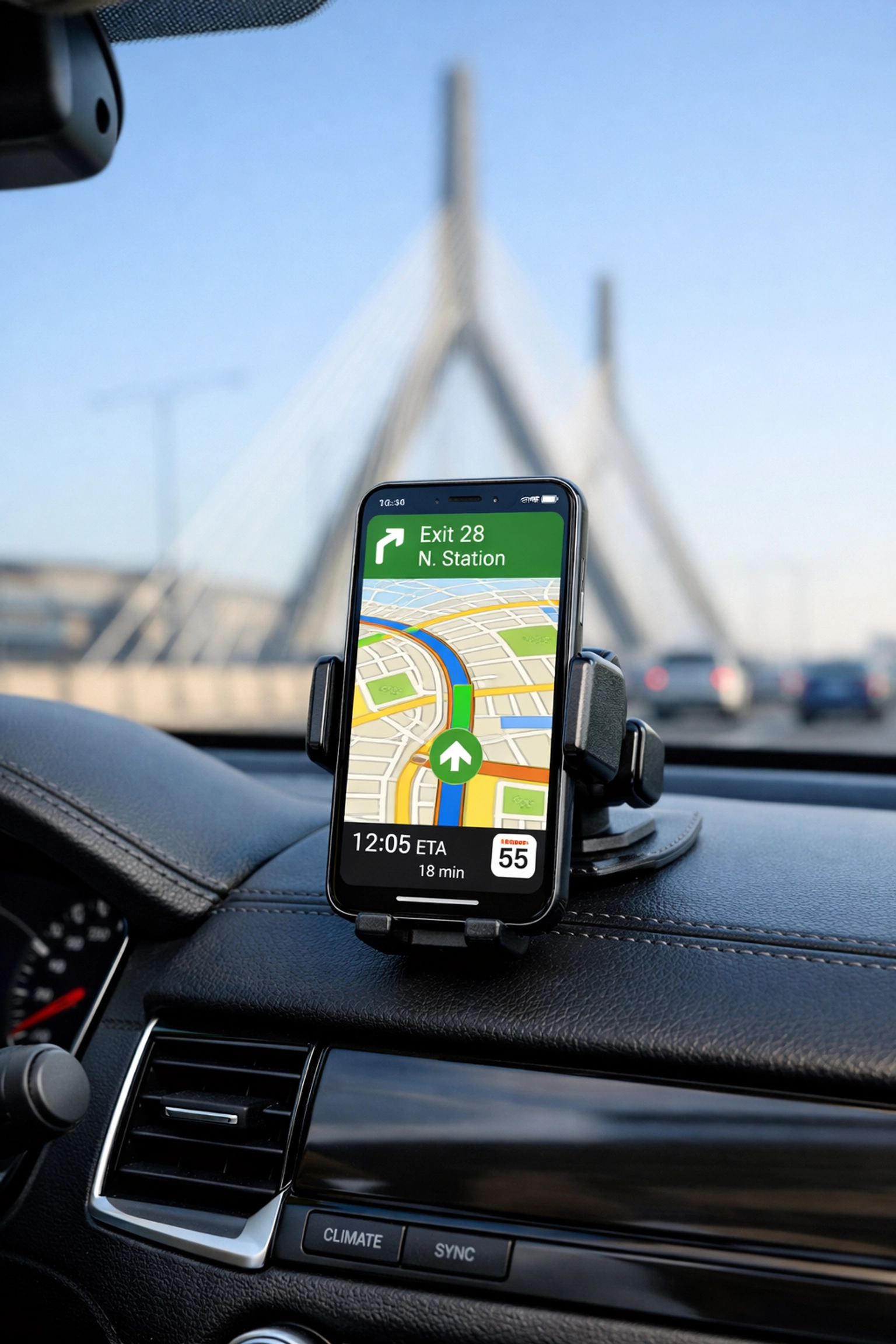
To understand who pays for your rideshare accident Massachusetts, you have to look at the driver’s phone. The status of their app determines which insurance company is on the hook.
1. The App is Off
If the driver is using their car for personal errands and the Uber or Lyft app is completely closed, the rideshare company provides zero coverage. In this case, the driver’s personal auto insurance is the only source of recovery. Massachusetts requires all drivers to carry a minimum amount of liability insurance, but these limits are often quite low.
2. The App is On, But No Rider is Assigned
This is the “waiting” period. The driver is logged in and looking for a fare but hasn’t accepted a request yet. If a crash happens now, Uber and Lyft provide “contingent” liability coverage. Usually, this is $50,000 per person and $100,000 per accident for bodily injury. It only kicks in if the driver’s personal insurance denies the claim (which they often do because most personal policies exclude “commercial use”).
3. The App is On, and a Ride is Accepted
This is the phase where you are most protected. From the moment the driver accepts a ride request until the passenger is dropped off, Uber and Lyft provide a $1 million third-party liability policy. Whether the driver is on the way to pick you up or you are currently in the backseat, this massive policy is meant to cover your medical expenses, lost wages, and pain and suffering.
What Happens When Another Driver is at Fault?
Sometimes, your Uber driver did everything right, but another car slammed into you. In this scenario, you would typically file a claim against the at-fault driver’s insurance. But what if that driver doesn’t have enough insurance? Or what if they don’t have any insurance at all?
Fortunately, when a ride is in progress, Uber and Lyft also provide Uninsured/Underinsured Motorist (UM/UIM) coverage. This is a safety net. If the person who hit you is underinsured, the rideshare company’s policy can step in to fill the gap. We know how to dig into these policies to make sure you aren’t leaving money on the table. If you’re wondering how this affects your specific situation, you can read more about factors considered in your case.
The Complexity of a Rideshare Accident in Massachusetts Claim
Massachusetts is a “no-fault” insurance state, which adds another layer of “fun” to the process. This means your own Personal Injury Protection (PIP) insurance usually pays the first $8,000 of your medical bills, regardless of who caused the crash. But $8,000 doesn’t go very far after an ER visit and an MRI.
To step outside the no-fault system and sue for “pain and suffering,” your medical bills must typically exceed $2,000, or you must have suffered a permanent injury, broken bone, or disfigurement. In a rideshare accident Massachusetts, we help you cross that threshold so you can seek the full compensation you deserve.
Damages You Can Recover After a Crash
When we take on a case, we aren’t just looking at the hospital bill you have today. We’re looking at how this accident changed your life. You may be eligible to recover:
- Medical Expenses: Past, current, and future treatments, including physical therapy.
- Lost Wages: Money you lost because you couldn’t work while recovering.
- Loss of Earning Capacity: If your injuries prevent you from doing the same job you had before.
- Pain and Suffering: The physical pain and emotional distress caused by the accident.
- Scarring and Disfigurement: Permanent marks or physical changes.
If you are curious about what your specific claim might be worth, check out our guide on how much is my case worth. Every case is unique, and having an experienced team on your side makes all the difference in the final number.
Why You Need a Pro for Your Rideshare Accident Massachusetts
You might think that because Uber and Lyft have $1 million policies, they’ll be happy to pay your claim. Unfortunately, that’s rarely the case. These companies and their insurers are billion-dollar entities for a reason: they are experts at minimizing payouts. They might try to argue that the driver wasn’t actually “on the clock” or that your injuries were pre-existing.

At Joel H. Schwartz, P.C., we don’t let them push you around. We’ve been doing this for over 60 years. We’ve seen every trick in the book. Whether it’s a typical car crash or a Lynn crash leading to a lawsuit, we bring the same level of aggression and care to every client.
Remember, you only have three years from the date of the accident to file a lawsuit in Massachusetts. While that sounds like a long time, evidence disappears quickly. Surveillance footage from nearby buildings gets erased, and witnesses’ memories fade. The sooner you reach out, the stronger your case will be.
Steps to Take Immediately After the Accident
If you find yourself on the side of the road after a rideshare crash, follow these steps to protect your rights:
- Call 911: Get a police report on the record. This is vital evidence.
- Screenshot the App: Take a picture of your ride receipt and the driver’s profile in the Uber or Lyft app.
- Take Photos: Capture the damage to all vehicles, the surrounding area, and any visible injuries.
- Get Medical Help: Even if you feel “fine,” the adrenaline can mask serious injuries. Go to the ER or urgent care.
- Don’t Give a Statement: The insurance adjusters will call you. They sound friendly, but they are looking for reasons to deny your claim. Talk to us first.
We Are Here to Help
A rideshare accident Massachusetts can turn your world upside down in an instant. You’re dealing with pain, car repairs, and the stress of missing work. You shouldn’t have to deal with insurance companies, too.
At Joel H. Schwartz, P.C., we take the burden off your shoulders. We work on a contingency fee basis, which means you don’t pay us a dime unless we win your case. We are committed to getting you the maximum compensation possible so you can focus on what really matters: getting better.
If you’ve been injured, don’t wait. Reach out to us today for a free, no-obligation consultation. Let’s talk about what happened and how we can help you get your life back on track. We’ve helped thousands of people in the Boston area, and we’re ready to fight for you.




 1 Washington Mall #16
 (617) 742-1170