


 CALL US NOW
 EMAIL US NOW


When you’re dealing with injuries and vehicle damage after a car accident, the last thing you want to worry about is whether there’s enough insurance coverage to pay for everything. But here’s the reality: massachusetts auto insurance limits can make the difference between getting fully compensated and being stuck with thousands of dollars in unpaid medical bills.
The state recently increased minimum coverage requirements, which sounds like good news. But as any experienced Boston car accident lawyer will tell you, these “minimums” often aren’t nearly enough when serious injuries are involved. If you were hurt and you’re trying to figure out your options, it helps to understand how a Car Accident claim typically works in Massachusetts.
Let’s break down what you need to know about Massachusetts insurance limits and how they affect your claim.
Massachusetts Auto Insurance Limits: What Are the Current Minimums?
As of July 1, 2025, Massachusetts requires all drivers to carry four types of mandatory coverage. Here’s what those massachusetts auto insurance limits look like:
- Bodily Injury to Others: $25,000 per person / $50,000 per accident
- Personal Injury Protection (PIP): $8,000 per person, per accident
- Bodily Injury Caused by an Uninsured Auto: $25,000 per person / $50,000 per accident
- Damage to Someone Else’s Property: $30,000 per accident
These numbers increased from the previous minimums, and they probably caused your insurance premium to jump by about 36 percent. But before you complain about that premium increase, you need to understand what these massachusetts auto insurance limits actually mean for you when an accident happens.
For a plain-English breakdown from the state, you can also review the Massachusetts government’s overview of coverage basics here: Basics of auto insurance.
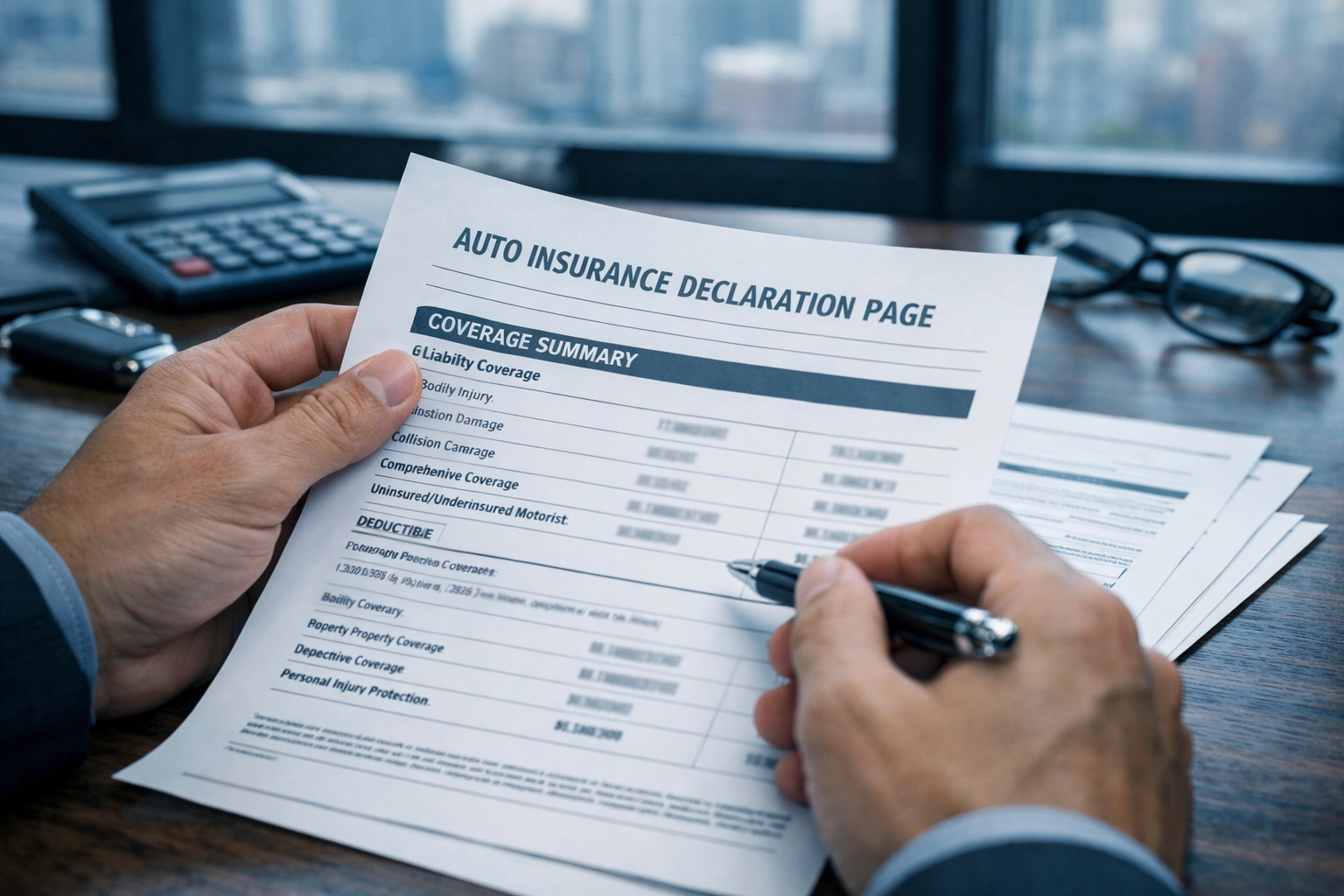
What Each Coverage Type Actually Covers
Bodily Injury Liability is what pays when you hurt someone else in an accident you caused. The $25,000 per person limit means that’s the maximum the insurance company will pay for any single injured person. The $50,000 per accident limit is the total available for everyone injured, no matter how many people that is.
Here’s an example: You cause an accident that injures three people. Each person has $30,000 in medical bills and lost wages. The insurance only pays $50,000 total, not $25,000 per person times three people. Those three people are fighting over that $50,000, and you could be personally responsible for the remaining $40,000.
Personal Injury Protection (PIP) covers your own medical expenses and lost wages up to $8,000, regardless of who caused the accident. This coverage kicks in immediately and pays your bills while you’re recovering. But $8,000 doesn’t go very far when you consider that a single emergency room visit can cost $3,000 or more.
Property Damage Liability pays for damage you cause to other people’s vehicles and property. The $30,000 limit might sound reasonable until you realize that the average new car costs over $48,000. If you total someone’s newer vehicle, you could be on the hook for the difference.
Uninsured Motorist Coverage protects you when you’re hit by a driver who has no insurance or a hit-and-run driver. This coverage uses the same $25,000/$50,000 limits as bodily injury liability. Unfortunately, about 1 in 20 Massachusetts drivers is uninsured, so this coverage matters more than you might think.
Why Minimum Coverage Usually Isn’t Enough
Let’s be honest: these minimum limits were set by politicians, not by people who’ve actually seen what serious car accidents cost.
A moderate injury that requires surgery can easily generate $50,000 to $100,000 in medical bills. Add in lost wages from missing work, ongoing physical therapy, and pain and suffering compensation, and you’re looking at claim values that far exceed $25,000.
When you’re injured by a driver who only carries minimum coverage, you hit what we call a “policy limit” problem. The insurance company can only pay what the policy allows, even if your damages are much higher. That leaves you with three bad options: accept less than your claim is worth, try to collect directly from the at-fault driver (who probably doesn’t have assets if they only bought minimum insurance), or use your own underinsured motorist coverage if you bought it.
This is exactly why any car accident lawyer Boston drivers trust will tell you to buy more than the minimum coverage for your own policy. You’re not just protecting other people, you’re protecting yourself.
What Happens When the At-Fault Driver Has Minimum Coverage

You were rear-ended at a stoplight. The other driver was clearly at fault and admits it. Their insurance company accepts liability right away. Everything should be straightforward, right?
Then you find out the at-fault driver only has the $25,000 minimum coverage. Meanwhile, you’ve got $15,000 in medical bills, you missed six weeks of work (another $8,000 in lost wages), your neck still hurts, and your car repair cost $6,000. Your total damages are around $35,000 minimum, but there’s only $25,000 available under the massachusetts auto insurance limits on that policy. And we haven’t even gotten to your pain and suffering.
The insurance company will offer you the policy limit of $25,000. They have no choice, that’s all the coverage that exists. You can either accept it or hire a Massachusetts car accident lawyer to explore your other options.
Those options might include:
- Filing a claim against your own underinsured motorist coverage
- Pursuing a lawsuit against the at-fault driver personally
- Looking for additional insurance policies the driver might have
- Identifying other potentially liable parties
This is where having an experienced attorney makes a massive difference in what you recover.
How to Protect Yourself Beyond the Minimums
You can’t control what coverage other drivers buy, but you can absolutely control your own protection. Here’s what we recommend to every client:
- Buy Higher Liability Limits. If you can afford it, consider $100,000/$300,000 bodily injury coverage. Yes, it costs more. But it protects your assets if you cause a serious accident.
- Add Underinsured Motorist Coverage. This is the most important coverage most people don’t have. It covers you when the at-fault driver doesn’t have enough insurance to pay for your injuries. You can often buy this coverage in amounts up to $100,000/$300,000 or even higher. And it doesn’t cost much.
- Increase Your PIP Coverage. The $8,000 minimum doesn’t go far. You can usually increase this to $50,000 or $100,000 for a relatively small premium increase. This gives you more coverage for your own medical bills and lost wages.
- Consider Collision Coverage. This pays to repair your car regardless of fault. If the at-fault driver only has $30,000 in property damage coverage and they damage multiple vehicles, that coverage gets split between everyone. Your collision coverage would pay for your repairs immediately.
These coverage increases usually cost less than you’d expect. We’re often talking about a few hundred dollars per year to dramatically increase your financial protection.
What to Do After an Accident in Massachusetts
If you’re involved in an accident, here’s what you need to do to protect your claim:
- Get Medical Attention Immediately. See a doctor within 24 hours or as soon as possible. Some injuries don’t show symptoms right away, and insurance companies love to argue that delayed treatment means you weren’t really hurt.
- Report the Accident to Your Insurance Company. You’re required to report any accident to your insurer, even if you weren’t at fault. Your PIP coverage can start paying your medical bills right away regardless of fault. If you’re confused about how PIP works, see our breakdown of Massachusetts no-fault insurance (PIP).
- Document Everything. Take photos of the vehicles, the accident scene, your injuries, and anything else relevant. Get contact information from witnesses. Keep all medical records and bills organized.
- Don’t Give a Recorded Statement to the Other Driver’s Insurance Company. You’re not legally required to do this, and anything you say can be used to devalue or deny your claim. Politely decline and tell them you’ll have your attorney contact them. If you’re getting pressure from an adjuster, read our guide on how to handle insurance adjusters first.
- Find Out What Coverage Exists. Request a copy of the at-fault driver’s insurance declaration page. You need to know what policy limits you’re dealing with as early as possible.
- Talk to a Lawyer Before Accepting Any Settlement. Once you accept a settlement and sign a release, you can’t come back for more money later: even if you discover your injuries are worse than you thought.
When Policy Limits Aren’t Enough, We Find Solutions

Over our 60+ years representing accident victims in Massachusetts, we’ve handled countless cases where minimum insurance coverage wasn’t nearly enough to cover our clients’ damages. We know how to maximize recovery even when policy limits seem like a dead end.
We explore every possible source of compensation, including underinsured motorist coverage, umbrella policies, business insurance policies, and claims against additional parties who may share liability. We’ve recovered millions of dollars for clients who were initially told they could only get the minimum policy limits.
We work on a contingency fee basis, which means you don’t pay us anything unless we recover money for you. Your initial consultation is free, and we’re happy to review your case and explain your options with no obligation.
If you’ve been injured in a car accident and you’re worried about whether there’s enough insurance coverage to pay for your damages, contact us today. We’ll evaluate your case, identify all available coverage, and fight to get you every dollar you deserve.
Don’t let minimum insurance limits minimize your recovery. Call us now for your free consultation.



 1 Washington Mall #16
 (617) 742-1170